
Why swap tools, DeFi rails, and a clean portfolio tracker are the wallet features you’ll actually use
Why your next self-custody wallet needs real NFT, DeFi, and private-key muscle
septembrie 28, 2025Can a browser wallet really stop blind signing and save you from a catastrophic DeFi mistake?
octombrie 21, 2025Whoa! I was on a late-night dev chat when someone casually said, „If your wallet can’t swap across chains, it might as well be a paperweight.” Really? That stuck with me. At first it felt like hype — another checklist item for an app store screenshot — but then I tried moving assets between L1s and L2s, and my instinct said something felt off about the UX we were building. Initially I thought cross-chain swaps were just about bridges. Actually, wait—let me rephrase that: cross-chain swaps are about trust, liquidity routing, and clear feedback to the user. On one hand it’s a pure engineering problem; on the other hand it’s very very human.
Here’s the thing. For most Web3 users the difference between „cool tech” and „tool I use every day” comes down to three things: predictable swaps, seamless DeFi access, and a portfolio that tells a story. The rest? Mostly glitter. I’m biased, but I prefer software that does fewer things well than many things badly. (oh, and by the way… usability often beats raw feature lists.)
Swap functionality used to be simple: token A for token B on the same chain. Now you want to go from an ERC-20 to an asset on a rollup or to a token on a totally different chain — without babysitting a dozen confirmations. That introduces routing, aggregators, and, yes, risk vectors. My first impressions were emotional: annoyed at broken UX, excited at the clever routing I saw, then cautious when I dug into slippage and failed txs. On balance, though, I learned how small design choices either build trust or erode it fast.
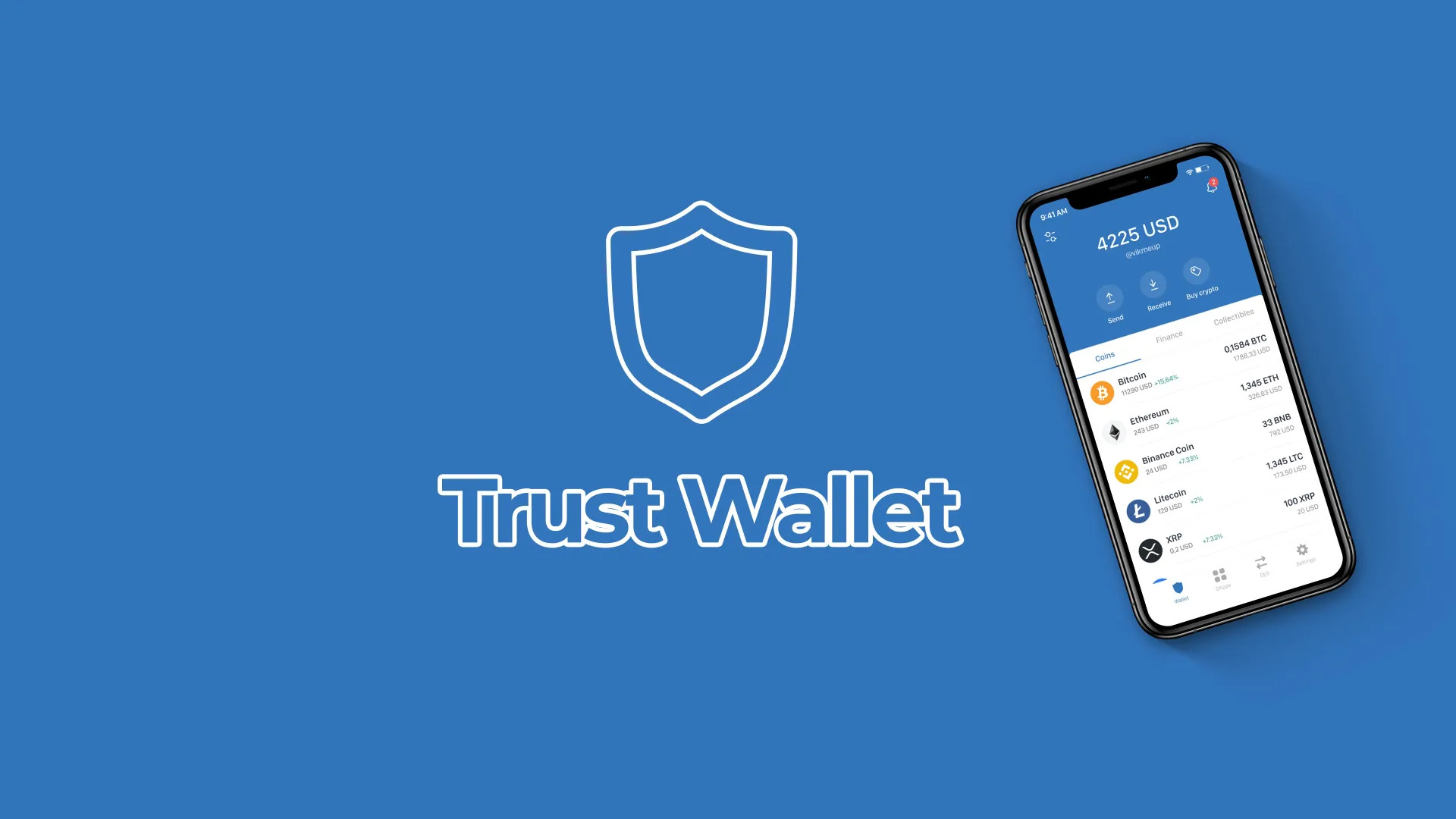
Swap functionality — what really matters
Short answer: routing, fallback paths, and crystal-clear confirmations. And no, the prettiest slippage slider doesn’t save you if a swap silently reroutes through a thin pool. Hmm… I remember a time when a „1% slippage” checkbox was considered enough. Not anymore. You need real-time routing that favors liquidity depth and gas-efficiency, plus a rollback plan when a route fails. That means multiple aggregators, on-chain liquidity checks, and user-friendly error messaging that doesn’t sound like gibberish.
Consider three layers: the discovery layer (where routes are found), the execution layer (how those routes are submitted), and the UX layer (what the user sees). Each can be optimized without breaking the others. For example, display the chosen route and its trade-offs in plain English — „This path uses Uniswap→Hop→Optimism; expected time ~2 minutes” — and let power users toggle advanced options. Most people won’t, but having that transparency buys trust.
Also: never hide fees. Seriously? Hiding them is disingenuous. Show the network fee, protocol fee, and an approximate final cost in fiat terms. Folks in Main Street USA care about predictable totals, not just token math. And if a swap might fail due to slippage, warn, give alternatives, or split the order. Sometimes splitting a big trade into chunks reduces price impact and is the right play — though it costs more in gas. On one hand that’s annoying; on the other hand it’s a lot safer.
Another practical point: on-chain approvals are a UX pothole. Offer „meta-approvals” that let users opt into reusable allowances with clear expiry windows, or safer per-trade approvals with one-tap re-approval. Make revocation discoverable. I’m not 100% sure there’s a perfect balance here, but lean towards safety and clear prompts — and give users tools to undo things.
DeFi integration — real rails, not buzzword laundry
DeFi is more than swaps. Lend, stake, yield farm — but integrated the right way. The wallet should act like a portal, connecting to trustworthy protocols without overwhelming the user. Initially I thought „deep integration” meant full-on in-wallet salad of every app. Actually, what users need is curated rails: composable modules that let them move assets into a protocol, monitor exposure, and pull out when conditions change.
Sometimes the best approach is a hybrid: on-device signing combined with backend checks that flag risky contracts. On one hand decentralization says never trust a server; on the other hand centralized telemetry can prevent catastrophic mistakes (e.g., known rug tokens). It’s a tension. And yes, there’s a privacy trade-off. Offer opt-ins. Let users keep metrics local if they prefer, but for those who want safety nets, provide them.
One more thing: DeFi tooling should accommodate novices and power users. Show typical yields, historical volatility, and basic scenarios in plain language. Then, for advanced users, provide transaction batches, permit approvals, and gas-optimization hints. My team found that when people understand the „why” before the „how”, they make better choices — and they come back more often.
Portfolio tracker — your narrative, not just numbers
Portfolio trackers often feel sterile. Numbers float; context is missing. Make a tracker that answers the story-level questions: How did my exposure to stablecoins change? Am I overweight a chain? What are unrealized fees from bridges? That kind of insight is more valuable than a simple USD P/L column.
Design wise, link balances to recent activity and to the smart contracts involved. Let users tag positions („short-term play”, „savings”, „staking for protocol X”). That little bit of metadata turns raw data into memorable decisions. Also provide timeline-based snapshots so users can see how rebalances affected outcomes — very useful after a major fork or token airdrop.
And yes, cross-chain valuations are messy. Use multiple price oracles and show confidence intervals rather than pretending there’s a single perfect price. Show where prices come from. Transparency again breeds trust.
How a practical wallet ties it all together
Okay, so check this out— a wallet that merges these three pillars should: route swaps intelligently, present curated DeFi rails, and maintain a narrative-driven portfolio. I’ve been testing several solutions around Silicon Valley and remote teams; some nail one pillar and flub the others. Rare is the product that balances all three and keeps the UI sane.
If you’re hunting for a wallet that aims for that balance, try integrating tools that let you preview multi-hop routes, then deep-link into protocols for one-tap deposits, and finally store readable transaction histories. For a practical example of a wallet pursuing many of these patterns, see truts wallet — the flow felt intuitive, and the trade confirmations were refreshingly clear. I’m not endorsing blindly, but it’s worth a look.
I’m biased toward tools that respect user attention. Give people defaults that are safe but let them override. Provide progressive disclosure for complexity. Offer opt-in telemetry for safety checks. These small choices convert occasional users into daily users.
FAQ
Q: Are cross-chain swaps safe?
A: They can be, but safety depends on route liquidity, bridge security, and proper confirmations. Use wallets that show routing details and allow you to reject suspicious paths. Never accept unknown contract approvals without understanding the scope. I’m not a financial advisor, but do treat cross-chain moves like intentional events—plan them.
Q: How do I keep portfolio tracking private?
A: Keep price lookups and historical snapshots local when possible, or use wallets that allow you to opt out of shared telemetry. If you choose cloud-sync, prefer providers with end-to-end encryption and a clear privacy policy. Again, opt-in is the keyword.


